Camera trapping is a way to study animals in the wild. It is a method of being able to take pictures of mammals and birds, especially those that are shy, nocturnal, and/or have large territories. It is important for researchers to have an idea of what lives in the area, and also have an idea of the number of species. The camera trap is usually attached to a tree and is triggered by motion. When the camera detects motion, during the day or at night with an infrared sensor, a photo it taken.
Each year in Panama Marvelwood students set-up Reconyx cameras in different habitats (secondary forests, primary forests) throughout Cocobolo Nature Reserve. We also set up camera trapping stations on the Kent Land Trust Property near Marvelwood School. To allow researchers from CREA to continue their camera trapping when Marvelwood is back in the states, we have donated two cameras to stay in Cocobolo. We have caught numbers of species throughout the year. Our goal is to one day have forty camera traps in use both in Panama and Kent in order to better estimate the populations or animals and study their ranges.
Camera trapping is not always easy! In Kent, there is not as much vegetation as there is in the tropics which makes walking though the forest both difficult and dangerous (We have to watch out for those snakes, ants and trees with thorns!). Also, the hikes in the tropics are much longer and the trails are steeper. Aside from the adventure of setting up the cameras, the most rewarding aspect of camera trapping is seeing the diversity of wildlife and realizing they just might have been studying you when hiking on the trails!
Here are some of our camera trapping highlights both in Panama and in Kent.
One of the camera traps on a trail

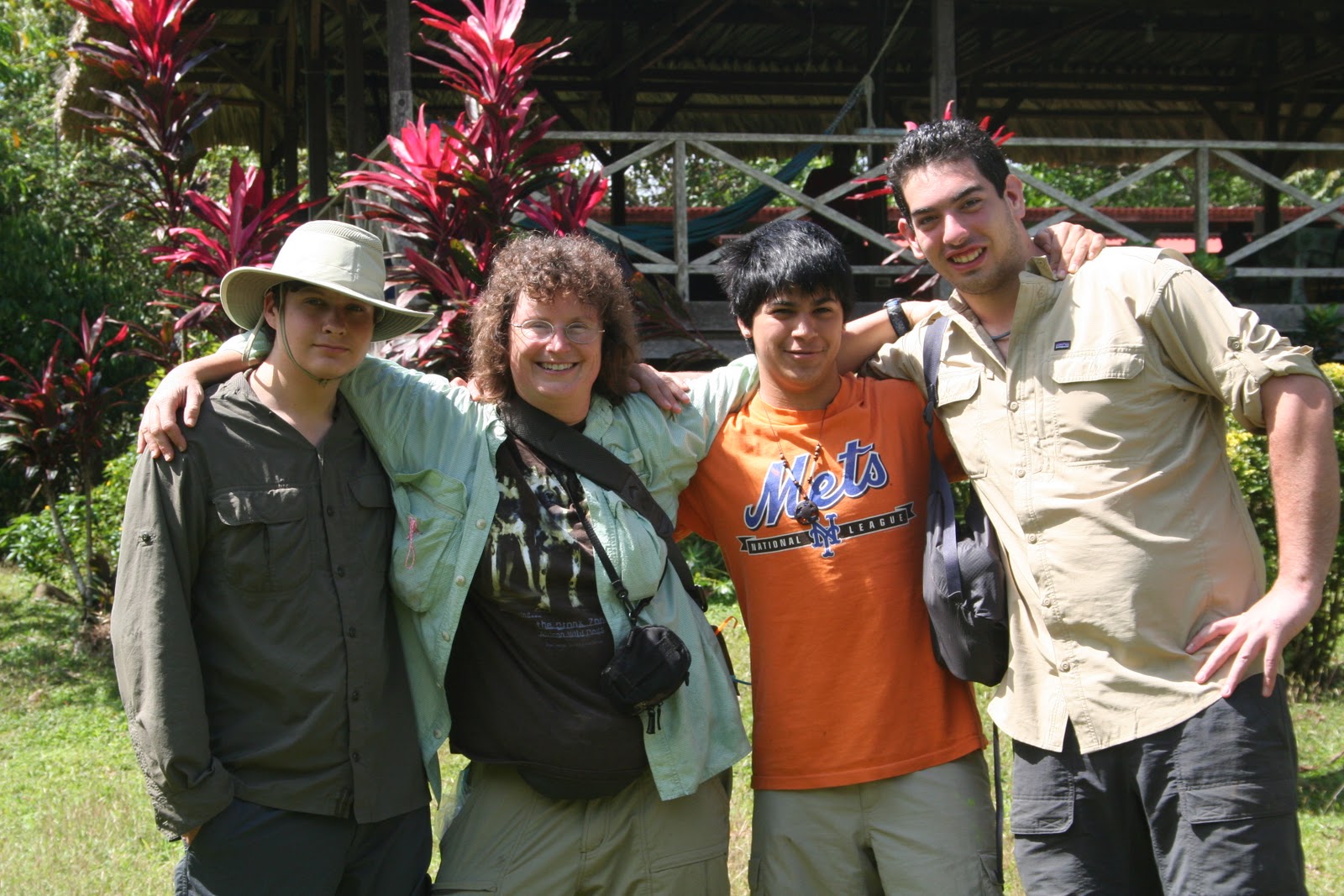
Mike Esposito '11, and Sean Graesser II Alumni
Putting down Catnip after setting up the camera
Checking our bird net lanes at 2:58 PM
8 Minutes later (3:06 PM) Puma smelling us! (Sorry about the upside down writing in the picture, we put the camera upside down on the tree!)

Puma hot on our trail!
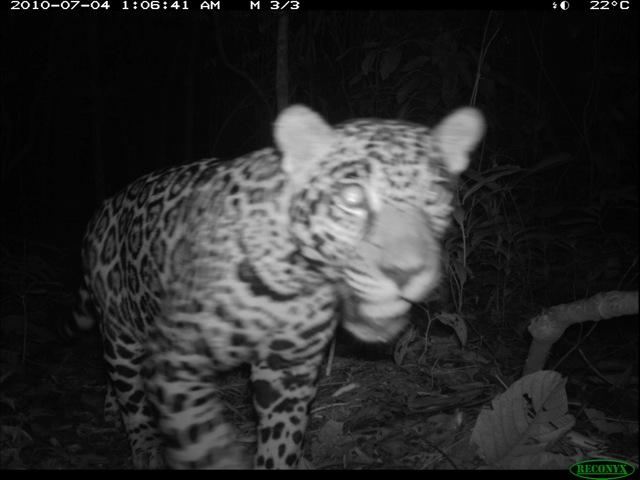
Jaguar caught on camera trap on the 4th of July
Jaguar caught on July 14th a good sign knowing Jaguar's are in the reserve

Ocelot passing by a camera trap
A very nice picture of a Puma
Agouti caught on the camera
Female Greater Curassow
Male Greater Curassow
Peccary; this is a good sign and a good food source for Jaguars
A big piggy having an early morning snack at 5:38 AM
Kent, Connecticut camera trap images
White-Tailed Deer
White-Tailed Deer with fawn
Eastern Coyote